
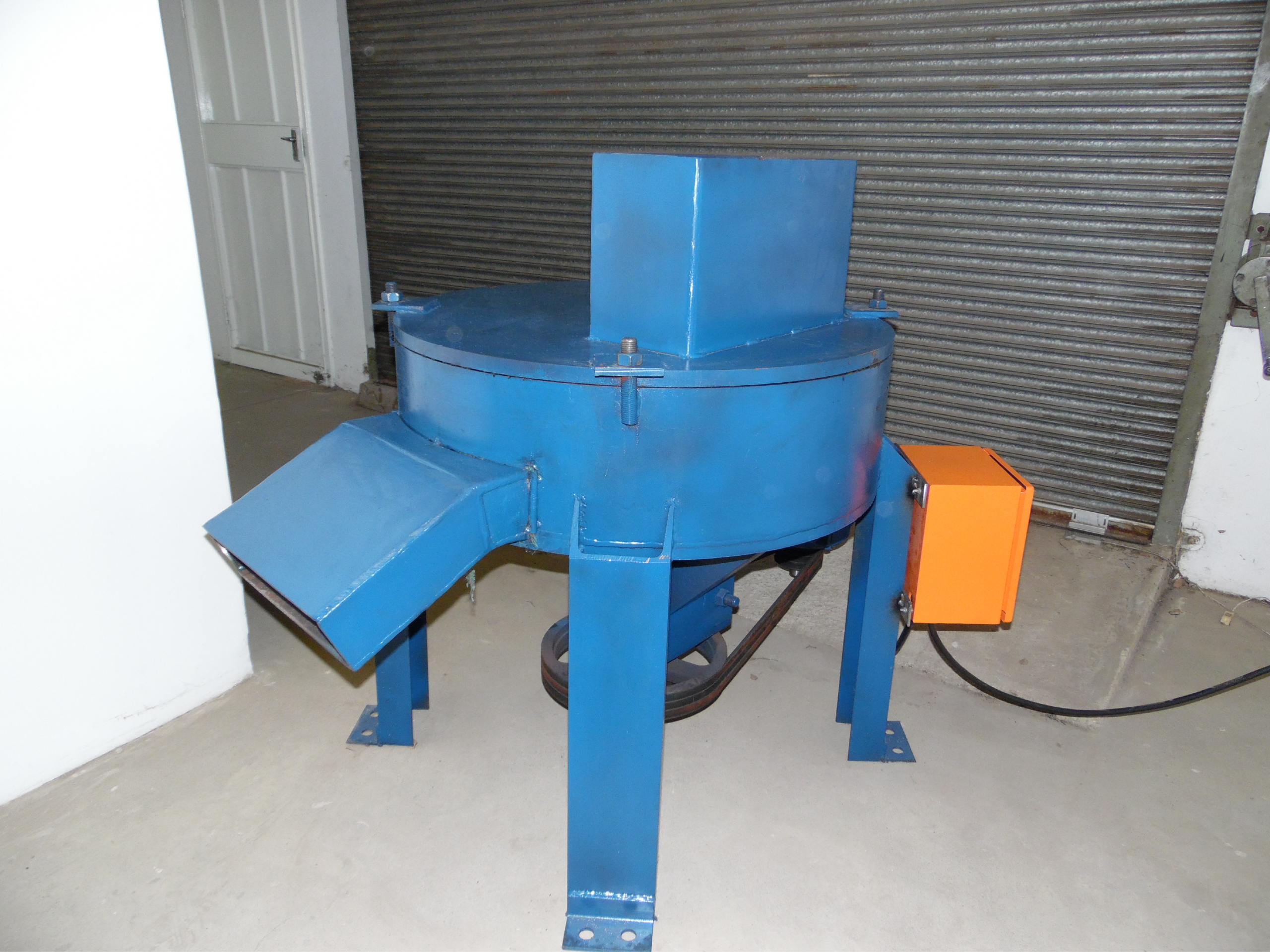
The clothing shredding process is a specialized industrial operation that breaks down fabric waste into smaller pieces or individual fibers. It serves two primary purposes: secure destruction (making logos and garments unrecognizable) and recycling preparation (creating raw material for new products).
The process typically follows a series of distinct stages, from preparation through to final output.
Step 1: Collection and Sorting
Before any shredding occurs, materials must be gathered and organized. This initial stage is crucial for efficiency.
Collection: Textile waste is collected from various sources like post-consumer clothing bins, manufacturing offcuts, or corporate uniform programs and placed into secure bags or bales.
Sorting: Workers or automated systems sort items by fiber type (e.g., cotton, polyester, wool) and color. This ensures a consistent input stream for the recycler.
Grading: Items are assessed to determine their best end-use (e.g., reuse, upcycling, or shredding for recycling).
Step 2: Preparation (Decontamination)
This is a critical manual preparation step to remove “disruptors”—non-textile items that can damage machinery or contaminate the final product.
Removing Hard Points: Zippers, buttons, rivets, hooks, and plastic tags are cut or ripped off. Metal items are particularly dangerous for cutting blades.
Eliminating Trims: Logos, patches, embroidery, and prints are removed as they are often made of different materials (like plastic or rubber) that don’t break down the same way as fabric.
Many advanced systems now use industrial magnets, metal detectors, and air classifiers to automate the removal of these items before shredding begins.
Step 3: Mechanical Shredding (Fiberization)
This is the core of the process, where fabric is physically broken down. Specialized industrial shredders are used to handle the unique challenges of fibrous materials, such as preventing long strands from wrapping around and jamming the machinery.
Different shredders are used depending on the desired outcome:
Step 4: End-of-Process Applications (Output)
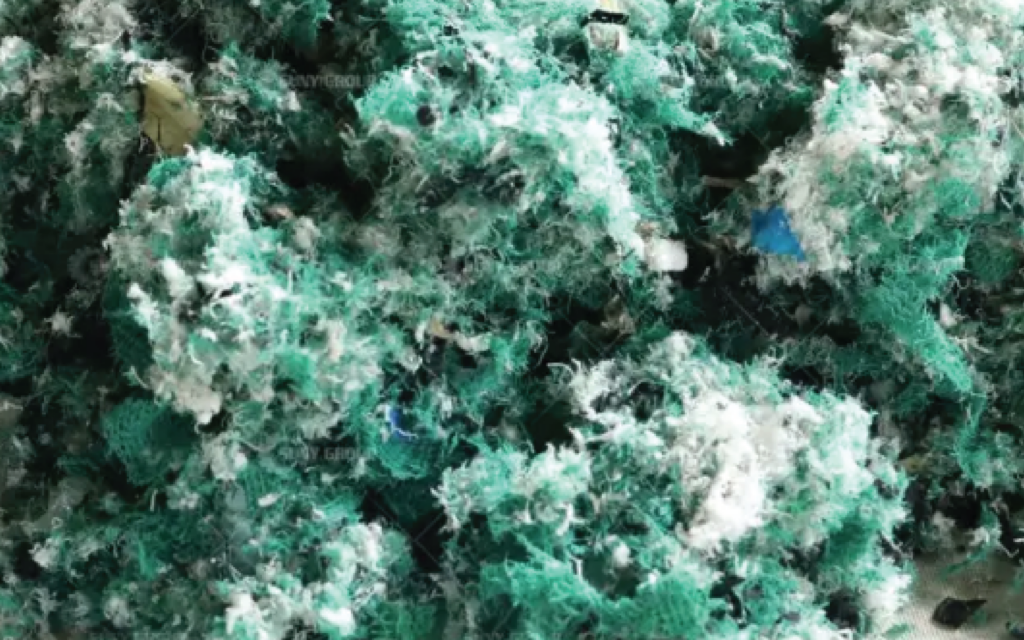
Once shredded, the material is transformed into a new resource. The final use depends heavily on the fiber quality and purity.
Advanced chemical recycling is an emerging field that breaks fabrics down to the molecular level to create new, virgin-quality fibers, but this process also relies on shredding as a critical first step to prepare the material.
Challenges and Safety Considerations
Clothing shredding is not without its difficulties and dangers. Key challenges include:
The Winding Problem: Long, strong synthetic fibers (like polyester or nylon) can easily wrap around shredder shafts, causing jams. Machines must have specialized “anti-winding” designs to counter this.
Material Blends: Most modern clothing is made from fabric blends (e.g., cotton-polyester). Mechanically shredding these blends is difficult as it doesn’t separate the individual fiber types, often resulting in a lower-value mixed output.
Fire and Dust Explosion Risk: The process generates fine, combustible dust. Key safety measures include spark detection systems, proper dust collection, and static grounding to prevent ignition.
Blade Wear: Buttons, zippers, and other hard objects that aren’t removed can quickly dull or break expensive shredder blades, making the removal step economically vital.


