

Medical Waste Handling
Protecting Health, People, and the Environment
Healthcare facilities save lives every day, but they also generate waste that can be dangerous if not handled properly. From used needles to contaminated dressings and expired medications, medical waste requires careful management to prevent infections, environmental pollution, and injuries. Effective medical waste handling is therefore a critical component of safe and responsible healthcare operations.
What Is Medical Waste?
Medical waste, also known as healthcare waste or biomedical waste, includes any waste generated during the diagnosis, treatment, or immunization of humans or animals. It can come from hospitals, clinics, laboratories, dental offices, veterinary practices, and even home healthcare.
Medical waste generally falls into several categories:
- Infectious waste: Materials contaminated with blood or bodily fluids, such as bandages, gauze, and laboratory cultures.
- Sharps waste: Needles, scalpels, syringes, and other items capable of puncturing skin.
- Pharmaceutical waste: Expired, unused, or contaminated medications and vaccines.
- Chemical waste: Disinfectants, solvents, and laboratory chemicals.
- Pathological waste: Human tissues, organs, or body parts.
- General healthcare waste: Non-hazardous materials such as packaging or paper.
While only a portion of healthcare waste is hazardous, it requires strict separation and management to avoid risks.
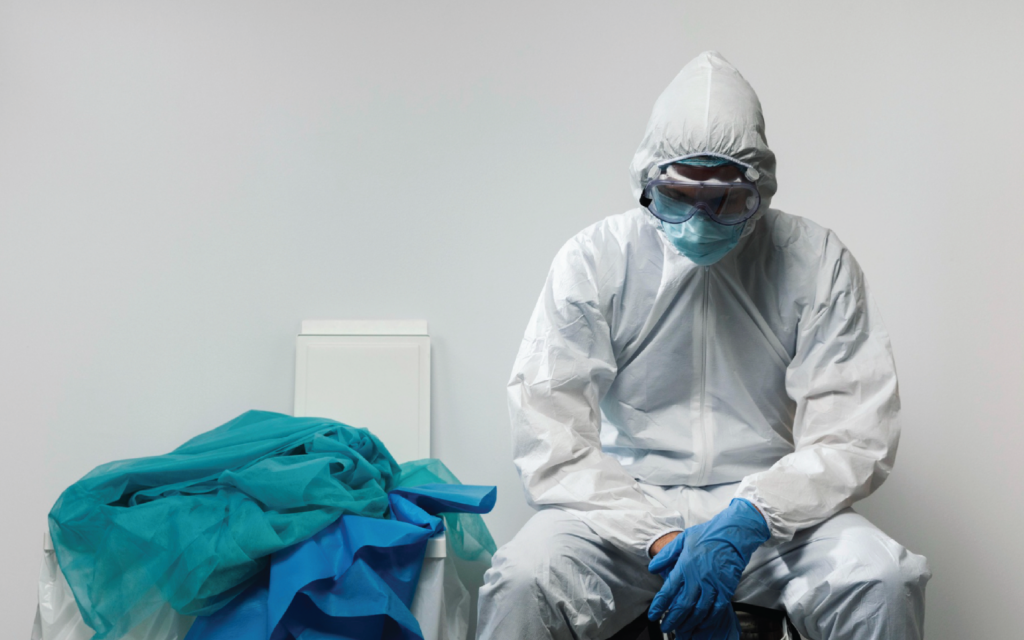
Why Proper Medical Waste Handling Matters
Improper disposal of medical waste can have serious consequences for healthcare workers, waste handlers, patients, and the wider community. Some of the key risks include:
- Infections and disease transmission: Contaminated waste can spread pathogens such as hepatitis B, hepatitis C, and HIV.
- Needlestick injuries: Sharps injuries can occur when needles are disposed of incorrectly.
- Environmental pollution: Toxic chemicals and pharmaceuticals can contaminate soil and water.
- Public health hazards: Waste that ends up in open dumps can expose communities and animals to harmful materials.
Proper medical waste handling protects both human health and the environment.
Key Steps in Medical Waste Management
Effective medical waste management involves several important steps throughout the waste lifecycle.
1. Waste Segregation
Segregation is the first and most critical step. Waste should be separated at the point where it is generated using clearly labeled, color-coded containers. For example:
- Yellow containers for infectious waste
- Red containers for sharps
- Black or clear bags for general waste
Proper segregation reduces the amount of hazardous waste and makes treatment safer and more cost-effective.
2. Safe Collection and Storage
Medical waste should be collected regularly and stored in secure, designated areas. Containers must be:
- Leak-proof
- Puncture-resistant (for sharps)
- Properly labeled
- Sealed before transport
Storage areas should be restricted, well ventilated, and protected from pests or unauthorized access.
3. Transportation
Waste must be transported safely within the facility and to treatment facilities using designated carts or vehicles. Personnel involved in transport should be trained and equipped with appropriate protective equipment.
4. Treatment and Disposal
Before final disposal, hazardous medical waste must undergo treatment to eliminate infectious agents. Common treatment methods include:
- Autoclaving: Using high-pressure steam to sterilize waste
- Incineration: Burning waste at high temperatures
- Chemical disinfection: Using chemicals to neutralize pathogens
- Microwave treatment: Using heat generated by microwaves
After treatment, the remaining waste may be safely disposed of in sanitary landfills.
The Role of Training and Policies
Healthcare workers and waste handlers must receive regular training on proper waste handling procedures. Facilities should also implement clear policies that include:
- Waste management protocols
- Emergency spill procedures
- Personal protective equipment (PPE) requirements
- Monitoring and compliance systems
Strong policies ensure that medical waste is handled consistently and safely.
Moving Toward Sustainable Healthcare Waste Management
As healthcare systems grow, the volume of medical waste continues to increase. Sustainable practices are becoming increasingly important. These include:
- Reducing unnecessary single-use items
- Using environmentally friendly treatment technologies
- Improving waste segregation to reduce hazardous waste volumes
- Recycling non-contaminated materials where possible
By adopting sustainable approaches, healthcare facilities can reduce their environmental footprint while maintaining safety. Medical waste handling is a vital part of modern healthcare management. Proper segregation, safe handling, effective treatment, and responsible disposal protect healthcare workers, patients, communities, and the environment. With the right training, policies, and technologies in place, healthcare facilities can manage medical waste safely while contributing to a healthier and more sustainable future.
![Read more about the article DIFFERENT TYPES OF MEDICAL WASTE [2025]](https://cleandotwaste.co.za/wp-content/uploads/2024/07/medical-waste-300x201.jpg)